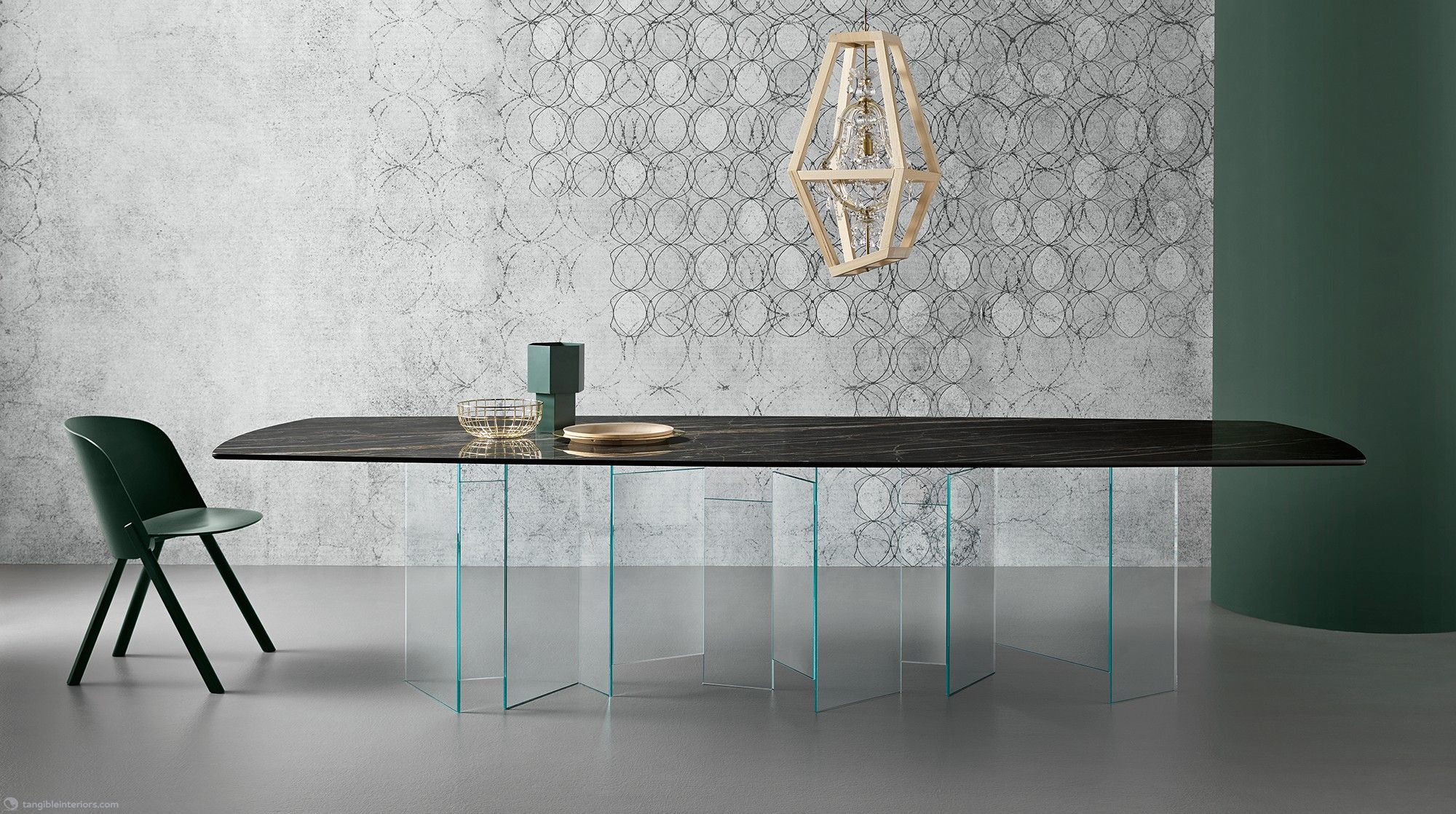
Mid-century modern kitchens remain one of the most requested directions in today’s kitchen design—not because they are nostalgic, but because they solve real spatial and functional problems better than many contemporary trends. When I guide clients through a kitchen remodel, especially in mid-range and premium homes across the U.S., the goal is not to “replicate the past,” but to reinterpret its principles for modern living, budgets, and technologies.
Below is a practical, design-driven breakdown of how to approach a mid-century modern kitchen in 2026—covering layout logic, materials, storage strategy, and realistic kitchen renovation costs.
What Defines Mid-Century Modern in Today’s Interior Design
At its core, mid-century modern is about clarity and efficiency. In interior design, this translates to clean geometry, honest materials, and a strong connection between form and function.
In a modern home remodel, this style works best when:
- The layout is open or semi-open
- Visual clutter is minimized
- Storage is integrated rather than added
- Materials feel natural, not synthetic
Clients often assume it’s about wood tones and retro colors. In reality, the success of this style comes from proportion, balance, and restraint.
Layout First: The Foundation of a Successful Kitchen Remodel
Most homeowners start with finishes. That’s a mistake.
In every successful kitchen remodel, especially in mid-century modern projects, the layout determines 80% of the outcome.
Open Flow with Defined Zones
Mid-century kitchens favor openness—but not chaos. The goal is visual continuity with clear functional zones:
- Cooking zone (range + ventilation)
- Prep zone (counter space near sink)
- Storage zone (pantry + cabinetry)
In smaller homes, I often remove upper cabinets on one wall to create horizontal flow—this aligns with mid-century proportions and improves perceived space.
The Work Triangle—Still Relevant, But Refined
The classic work triangle still applies, but in 2026 we adapt it:
- Distances are slightly expanded for larger kitchens
- Islands often replace one leg of the triangle
- Secondary prep zones are added for multi-user households
This is especially important when coordinating a home remodel that integrates kitchen and living areas.
Cabinetry: Where Budget Meets Design Identity
Cabinetry is the largest cost component in most kitchen remodel costs, and also the most visually dominant.
Flat-Panel Doors with Purpose
Flat-panel (slab) doors are essential—not just stylistically, but functionally:
- Easier to clean
- Less visual fragmentation
- More cost-efficient than detailed profiles
However, the mistake I often see is overusing one finish.
Material Strategy: Mixing for Depth
Instead of uniform cabinetry, I guide clients toward controlled contrast:
- Warm wood (walnut or oak tones) for base cabinets
- Painted or matte finishes for uppers
- Accent panels or open shelving for visual rhythm
This layered approach elevates the space without significantly increasing kitchen renovation costs.
Countertops and Surfaces: Balancing Texture and Performance
Mid-century modern kitchens require discipline in material selection.
Keep It Simple—but Not Flat
Avoid overly busy patterns. Instead:
- Subtle veining or solid surfaces work best
- Matte or honed finishes feel more authentic than high-gloss
From a cost perspective, this is where clients can control budget:
- Engineered surfaces offer durability at a lower price point
- Natural stone increases cost but adds long-term value
When budgeting for a kitchen remodel, countertops typically represent 10–20% of total spend.
Color Palette: Controlled Contrast, Not Retro Imitation
Many homeowners misinterpret mid-century style as “retro color blocking.” That approach rarely works in modern homes.
A More Refined 2026 Palette
Instead, I recommend:
- Neutral base (warm white, soft beige, muted gray)
- Natural wood tones
- One or two accent colors (deep green, burnt orange, navy)
The key is restraint. Color should guide the eye—not dominate the space.
Storage Strategy: Hidden Efficiency
One of the biggest advantages of mid-century modern design is its approach to storage.
Integrated Storage Over Decorative Storage
Rather than adding visible organizers, we build storage into the architecture:
- Deep drawers instead of lower cabinets
- Pull-out pantry systems
- Hidden appliance garages
This approach is especially valuable in projects that combine kitchen design with bathroom remodel or full home remodel planning—consistency in storage logic improves the entire house.
Lighting: Functional Layers with Architectural Intent
Lighting is often underestimated, yet it defines how the space is experienced.
Three Layers You Cannot Skip
- Ambient lighting – even, soft illumination
- Task lighting – under-cabinet lighting for work zones
- Accent lighting – subtle highlights for architectural features
In mid-century modern kitchens, fixtures should feel integrated—not decorative statements competing for attention.
Cost Logic: What Drives Kitchen Remodel Costs in 2026
Understanding cost structure is essential when advising clients.
Typical Cost Breakdown
In a mid-range U.S. kitchen remodel, the budget typically distributes as:
- Cabinetry: 30–40%
- Labor: 20–30%
- Appliances: 10–20%
- Countertops: 10–15%
- Lighting & fixtures: 5–10%
Where to Invest vs. Save
Invest in:
- Layout changes
- Cabinet quality
- Functional hardware
Save on:
- Trend-driven finishes
- Overly complex lighting systems
- Decorative elements that don’t improve usability
This disciplined approach keeps kitchen renovation costs under control while delivering long-term value.
Common Mistakes in Mid-Century Modern Kitchen Design
Even well-intentioned projects fail when design logic is ignored.
1. Overloading the Space with “Style”
Too many retro elements create visual noise. Mid-century modern is about restraint.
2. Ignoring Proportions
Cabinet height, island size, and spacing must be carefully balanced. Poor proportions undermine even high-end materials.
3. Treating Kitchen in Isolation
A kitchen must align with the rest of the interior design—especially in projects involving bath remodeling or full home remodel.
4. Underestimating Storage Needs
Minimalism does not mean less storage—it means better storage.
Integrating Kitchen Design with Bathroom Remodel and Whole-Home Strategy
Clients often renovate kitchens and bathrooms separately. That leads to inconsistency.
In a well-planned home remodel, I align:
- Material palettes across kitchen and bathroom
- Storage systems (drawers, cabinetry logic)
- Lighting temperature and layering
This is particularly relevant when planning renovating bathrooms alongside kitchen updates—consistency increases both usability and property value.
Final Thoughts: Why Mid-Century Modern Still Works in 2026
Mid-century modern kitchens are not a trend—they are a system.
They prioritize:
- Efficiency
- Clarity
- Longevity
When executed correctly, they reduce unnecessary costs, improve daily usability, and maintain relevance far longer than trend-driven designs.
If you approach your kitchen remodel with discipline—starting from layout, controlling materials, and aligning the kitchen with the broader interior design of your home—you will achieve a result that feels both timeless and highly functional.
And that, ultimately, is the goal of any serious design project.